Creating a relaxing home workspace is key to maintaining focus and boosting productivity, especially when working from home. A cluttered, noisy, or uncomfortable environment can lead to distractions, stress, and lower efficiency. On the other hand, a thoughtfully designed workspace can promote calm, creativity, and motivation throughout your workday.
In this post, we’ll explore practical tips to help you create a calming and productive home office that suits your needs and preferences.
Choose the Right Location
Selecting the right spot for your workspace sets the foundation for a relaxing and effective environment.
– Find a Quiet Area: Ideally, choose a room or corner away from household noise and foot traffic.
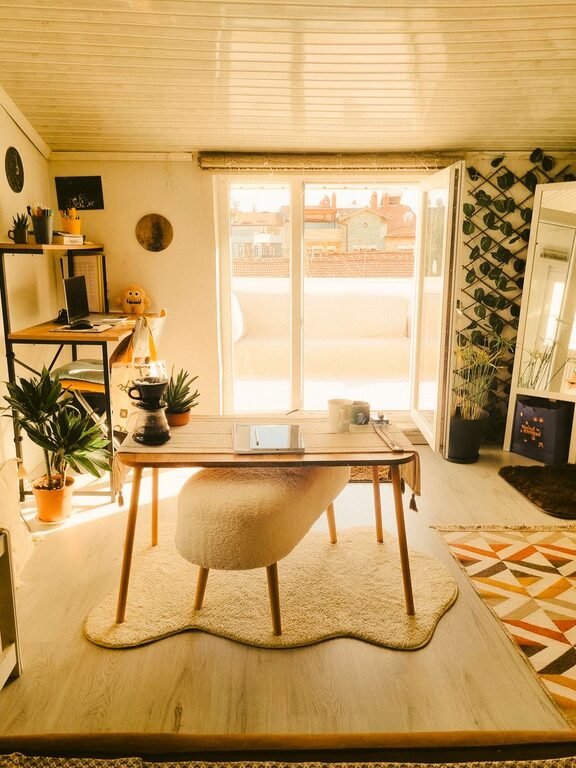
– Natural Light: Position your desk near a window to take advantage of daylight, which can improve mood and reduce eye strain.
– Avoid Distractions: Ensure the space isn’t near noisy appliances or where family members frequently gather.
Invest in Comfort
Comfort is crucial for long hours spent working. When you feel physically good, it’s easier to concentrate and stay energized.
– Ergonomic Chair: Choose a chair that supports good posture with adjustable height and lumbar support.
– Proper Desk Height: Your desk should allow your arms to rest comfortably without strain.
– Adjustable Monitor: Position your computer screen at eye level to prevent neck and back pain.
– Footrest: If your feet don’t comfortably reach the floor, a small footrest can help maintain proper posture.
Keep Your Workspace Organized
A cluttered desk can cause mental clutter, leading to distraction and stress. Keep your workspace tidy to promote a relaxed mindset.
– Minimal Essentials: Only keep items you need for daily tasks on your desk.
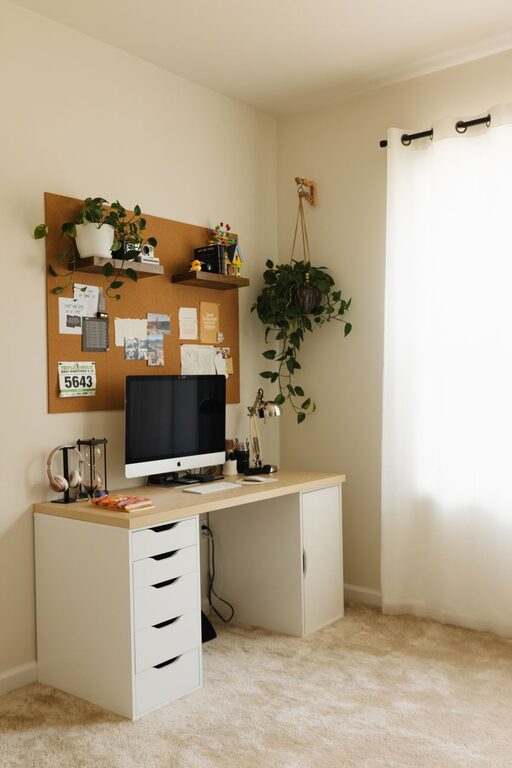
– Storage Solutions: Use drawers, containers, or shelves to store supplies and paperwork out of sight.
– Daily Clean-Up: Spend a few minutes at the end of each day organizing your space for a fresh start tomorrow.
Incorporate Calming Colors and Decor
Colors and aesthetics influence our mood and productivity. Aim to create a workspace that feels inviting and inspires focus.
– Soft Colors: Shades like light blue, green, or neutral tones promote calm and concentration.
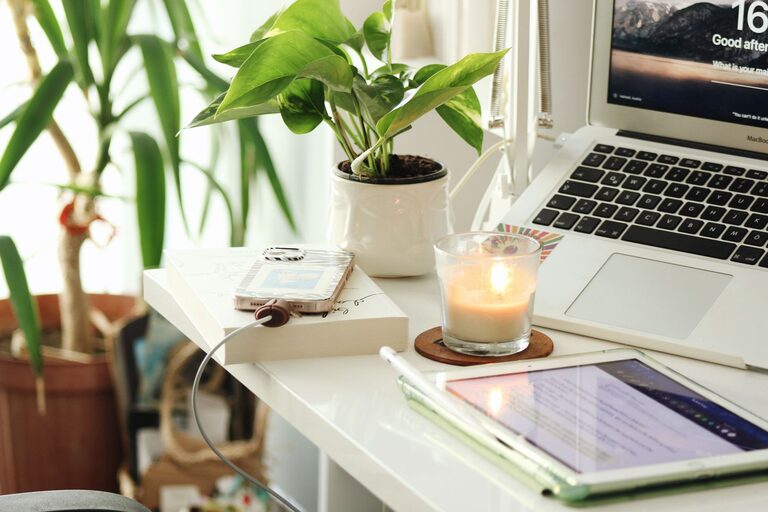
– Plants: Adding greenery can reduce stress and improve air quality.
– Inspirational Artwork: Hang images or quotes that motivate you but avoid overly stimulating or cluttered visuals.
– Personal Touches: Include a few meaningful items like photos or souvenirs to make the space welcoming.
Control Lighting and Noise
Proper lighting and sound levels contribute significantly to comfort and efficiency.
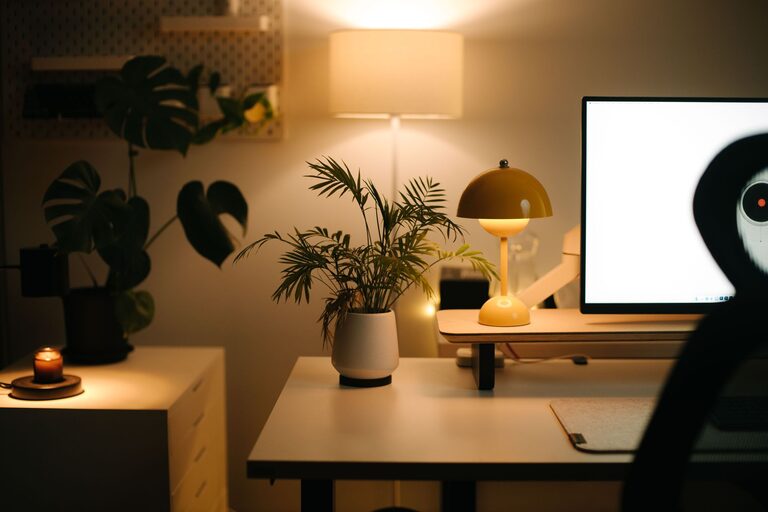
– Use Layered Lighting: Combine natural light with desk lamps or overhead lighting to avoid eye strain.
– Adjust Brightness: Choose adjustable lights or bulbs with warm tones to reduce harsh glare.
– Reduce Noise: Use noise-cancelling headphones or a white noise machine to block distracting sounds if needed.
– Soft Textiles: Rugs, curtains, or cushions can help absorb sound and create a cozier atmosphere.
Take Breaks and Move
Even the most relaxing workspace won’t help if you sit for hours without a break.
– Schedule Breaks: Use timers or apps to remind yourself to stand up, stretch, or walk around every hour.
– Create a Break Zone: Have a comfortable area nearby for short mental breaks, such as a reading chair or a yoga mat.
– Stay Hydrated: Keep water or herbal tea at your desk to stay refreshed throughout the day.
Use Technology Wisely
Technology tools are critical but can also be a source of stress if not managed well.
– Declutter Your Desktop: Organize your computer files and close unused tabs to reduce digital clutter.
– Focus Apps: Try apps that limit distractions by blocking social media or managing notifications.
– Cable Management: Keep cords and cables neatly tucked away to maintain a clean workspace.
Personalize but Don’t Overdo It
While personalization can make your workspace more enjoyable, too many items can lead to distraction.
– Select a few items that inspire or comfort you.
– Rotate decorations seasonally to keep your space fresh.
– Maintain balance so your workspace feels inviting yet professional.
Final Thoughts
Designing a relaxing home workspace is about balance—combining comfort, organization, and personal touches to suit your unique style and work requirements. Start by assessing your current setup and make small changes to improve your environment. Over time, these adjustments can lead to greater focus, reduced stress, and higher productivity.
Remember, a pleasant and functional workspace isn’t just about aesthetics—it supports your well-being and success throughout the workday. With these tips, you’ll be well on your way to creating a serene and productive home office space that works for you.
About the Author