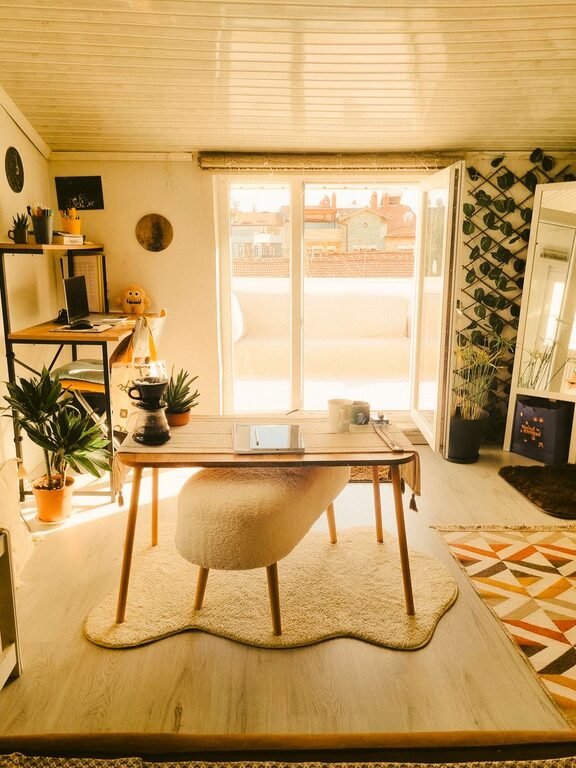
Creating a relaxing home office environment is essential for maintaining focus, motivation, and well-being while working from home. Whether you’re a freelancer, remote worker, or someone who occasionally works from home, your workspace can greatly influence how productive and comfortable you feel throughout the day. This guide offers practical tips to help you design a home office that inspires calm and enhances your work experience.
Choose the Right Location
Selecting the ideal spot for your home office is the first step in crafting a relaxing environment. Aim for a quiet area away from everyday distractions like the television or kitchen. Natural light is a big plus—it helps improve mood and alertness. If possible, position your desk near a window to take advantage of daylight, which can reduce eye strain and elevate your overall comfort.
Invest in Comfortable Furniture
Comfortable and ergonomic furniture is key to a relaxing home office. Choose a chair that supports your lower back and encourages good posture. Your desk should be the right height to prevent strain on your wrists and shoulders. Adjustable chairs and desks offer flexibility to customize your workspace according to your needs, making long work hours much easier to handle.
Declutter and Organize
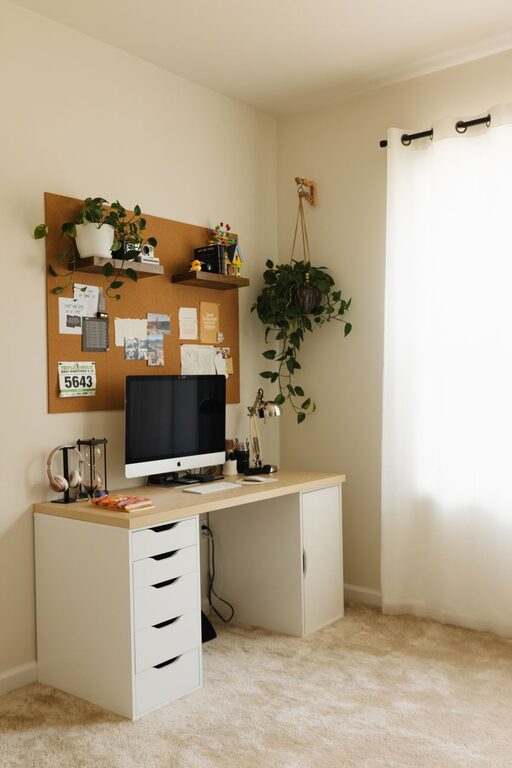
A cluttered desk can contribute to feelings of stress and distraction. Keep only the essential items on your desk and use organizers like trays, shelves, or filing cabinets to store papers and supplies. Regularly tidying your workspace helps maintain a calm and orderly environment, which is better for concentration.
Use Calming Colors
Color impacts our mood and productivity. Soft, neutral colors such as light blues, greens, or pale grays are often associated with calmness and focus. Consider painting your walls in soothing tones or incorporating these colors into your office decor through accessories like cushions, rugs, or artwork.
Incorporate Natural Elements
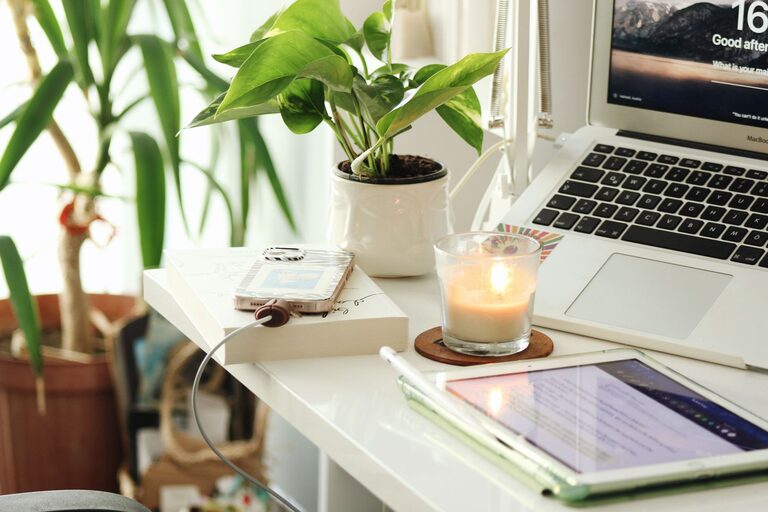
Bringing nature into your office space can reduce stress and increase creativity. Add potted plants or small succulents to your desk or shelves. Natural materials, such as wooden furniture or stone accents, also create a warm and earthy feel that contributes to a relaxing atmosphere.
Control Lighting
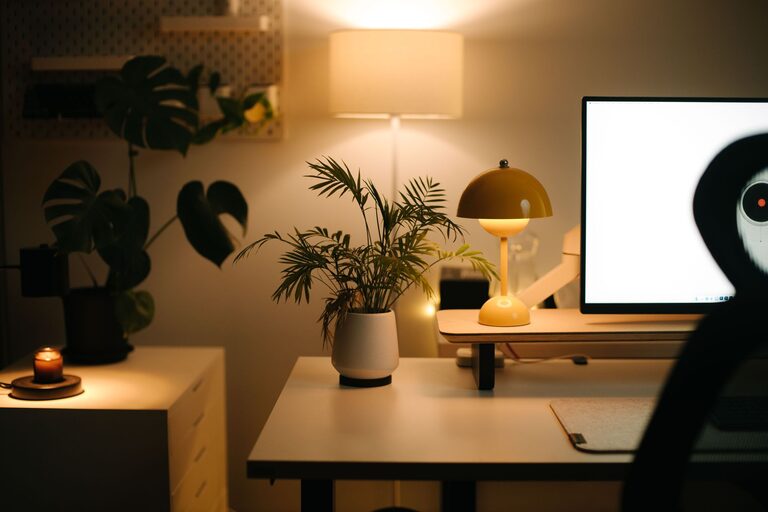
Proper lighting is crucial for both comfort and productivity. Avoid harsh overhead lights by using desk lamps or floor lamps with warm light bulbs. Adjustable lighting lets you customize brightness based on the time of day or task. Additionally, reduce screen glare by positioning lights carefully and using blinds or curtains on windows.
Minimize Noise Distractions
If your home is busy or noisy, consider ways to minimize sound distractions. Noise-canceling headphones can help block out background noise. Alternatively, playing soft background music or white noise machines can create a peaceful sound environment. Thick curtains, rugs, and upholstered furniture also help absorb sound.
Personalize Your Workspace
Adding personal touches makes your workspace inviting and comfortable. Display photos, artwork, or inspirational quotes that motivate you. Just be careful not to overcrowd your desk—personalization should enhance relaxation, not add clutter.
Maintain Good Air Quality
Fresh air and good ventilation improve concentration and overall health. Open windows regularly to circulate air, or use an air purifier to reduce dust and allergens. A small desk fan can help keep airflow steady, especially in warmer months.
Take Regular Breaks
A relaxing work environment isn’t just about furniture and decor; it’s also about how you use the space. Plan short breaks throughout your day to stretch, move around, or simply step away from the screen. This practice reduces fatigue and keeps your mind refreshed.
Keep Technology Organized and Updated
Tangled cords and outdated equipment can create frustration. Use cable organizers to keep wires neat and invest in reliable hardware that meets your work needs. A smooth-running workspace reduces stress and helps you stay focused.
Conclusion
Designing a relaxing home office environment is about creating a space that feels comfortable, organized, and inspiring. By choosing the right location, adding ergonomic furniture, incorporating calming colors and natural elements, and managing light and noise effectively, you can build a workspace that supports your productivity and well-being. Remember, your home office should be a place where work feels less like a chore and more like a positive, focused experience.
About the Author