Creating a relaxing home workspace is essential for boosting productivity and maintaining well-being throughout your workday. Whether you’re working remotely full-time or occasionally from home, having a space that fosters focus and calm can make a big difference in how efficient and satisfied you feel. Here are some helpful tips to design a workspace that supports both relaxation and productivity.
Choose the Right Location
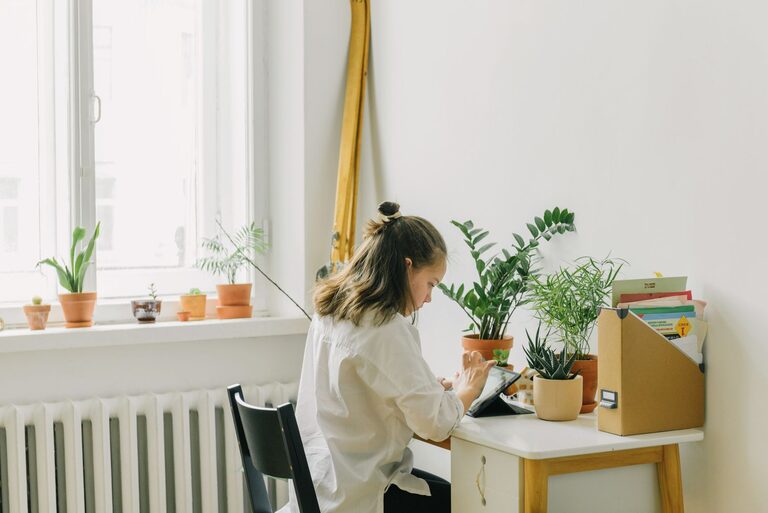
Finding the perfect spot in your home for your workspace is the first step. Ideally, select a quiet area that offers privacy and minimal distractions. If possible, choose a space with natural light, such as near a window, to help improve mood and reduce eye strain.
Consider These Factors:
– Distance from household noise
– Access to power outlets and Wi-Fi
– Space for necessary furniture and equipment
Invest in Comfortable and Supportive Furniture
Comfort plays a key role in staying productive. Invest in an ergonomic chair that supports good posture and reduces back strain. Pair it with a desk that fits your work style, whether that’s a standing desk or a traditional sitting desk.
Tips for Choosing Furniture:
– Adjustable chair height and back support
– Desk height appropriate for typing and writing
– Space to keep your legs comfortable and movement unrestricted
Keep Your Workspace Organized and Clutter-Free
A tidy workspace can help clear your mind and reduce stress. Make organizing a regular habit by setting up storage solutions that keep items within reach but out of sight.
Organizing Ideas:
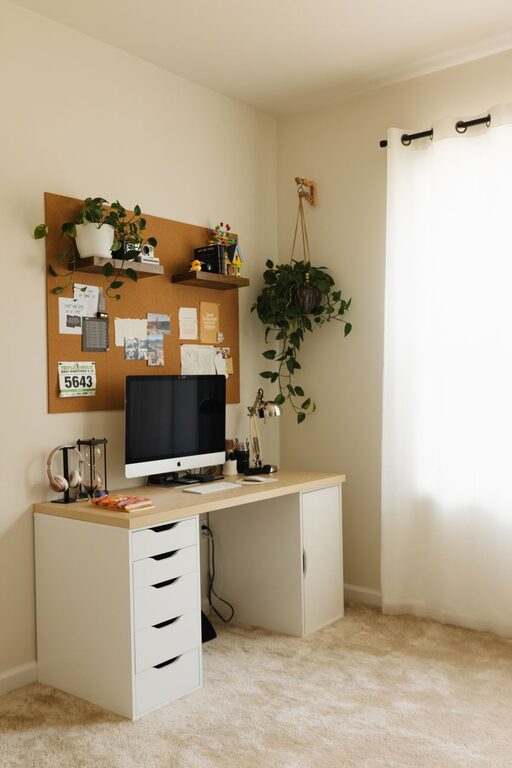
– Use drawers and shelves to store supplies
– Cable management tools to avoid tangles
– Desk organizers for pens, notepads, and electronics
Incorporate Soothing Colors and Decor
Colors affect mood and productivity. Soft, neutral tones like light blues, greens, or warm beige can create a calming atmosphere. Avoid overly bright or distracting colors that can make it hard to focus.
Decoration Tips:
– Add a few plants for a touch of nature and improved air quality
– Hang artwork or photos that inspire and relax you
– Use soft lighting such as desk lamps with adjustable brightness
Manage Lighting Effectively
Proper lighting prevents eye strain and helps maintain alertness. Use a combination of natural light and artificial lighting. If your space lacks natural light, consider full-spectrum bulbs that mimic daylight.
Lighting Recommendations:
– Position your desk near windows when possible
– Use adjustable desk lamps for targeted lighting
– Avoid screen glare by placing monitors perpendicular to light sources
Create Boundaries Between Work and Personal Life
Setting clear boundaries helps your mind switch between work mode and relaxation. Try to dedicate a specific area exclusively for your workspace and avoid working in places meant for rest like your bed or couch.
Boundary Ideas:
– Use a room divider or curtain if working in a shared space
– Set specific work hours and take regular breaks
– Keep work materials stored away after hours
Personalize Your Workspace Wisely
Adding personal touches can make your workspace more inviting and enjoyable, but too many items can lead to distraction. Choose meaningful items that motivate or calm you.
Examples of Personal Items:
– A favorite mug or inspirational quote
– A desk toy or stress ball
– A small, calming water fountain or essential oil diffuser
Maintain Good Air Quality and Comfort
Fresh air and a comfortable temperature can boost focus and energy. If your room feels stuffy, open a window or use a fan. Aim to keep the room temperature between 68-72°F (20-22°C) for optimal comfort.
Use Technology to Stay Focused
Technology can both help and hinder productivity. Consider apps that block distracting websites or remind you to take breaks. Keep your devices organized and wires neat to reduce stress.
Helpful Tools:
– Noise-canceling headphones for a quieter environment
– Time management apps like timers or planners
– Wireless charging stations to reduce clutter
Establish a Daily Routine in Your Workspace
Creating a routine signals your brain to switch into work mode. Start your day by tidying your desk, setting priorities, and reviewing your schedule. Regular routines reduce stress and improve efficiency.
—
By thoughtfully designing your home workspace with these tips, you can build a relaxing environment that helps you stay focused and productive. Remember that small changes often make a big difference. Experiment with different setups until you find the perfect balance for your needs. A comfortable and calm workspace is a valuable investment in both your work performance and your well-being.
About the Author